On October 30, Peter Walter, member of the U.S. National Academy of Sciences, 2014 Lasker Award laureate, 2018 Breakthrough Prize in Life Sciences laureate, and Director of the Cell Health Initiative at the Buck Institute for Research on Aging, visited Tsinghua University and delivered the 278th Tsinghua Global Vision Lecture. His lecture was titled “Targeting the Cell’s Stress Pathways for Therapeutic Benefit.” Li Yu, Director of the State Key Laboratory of Membrane Biology, presented Professor Walter with a commemorative plaque of the Tsinghua Global Vision Lecture.
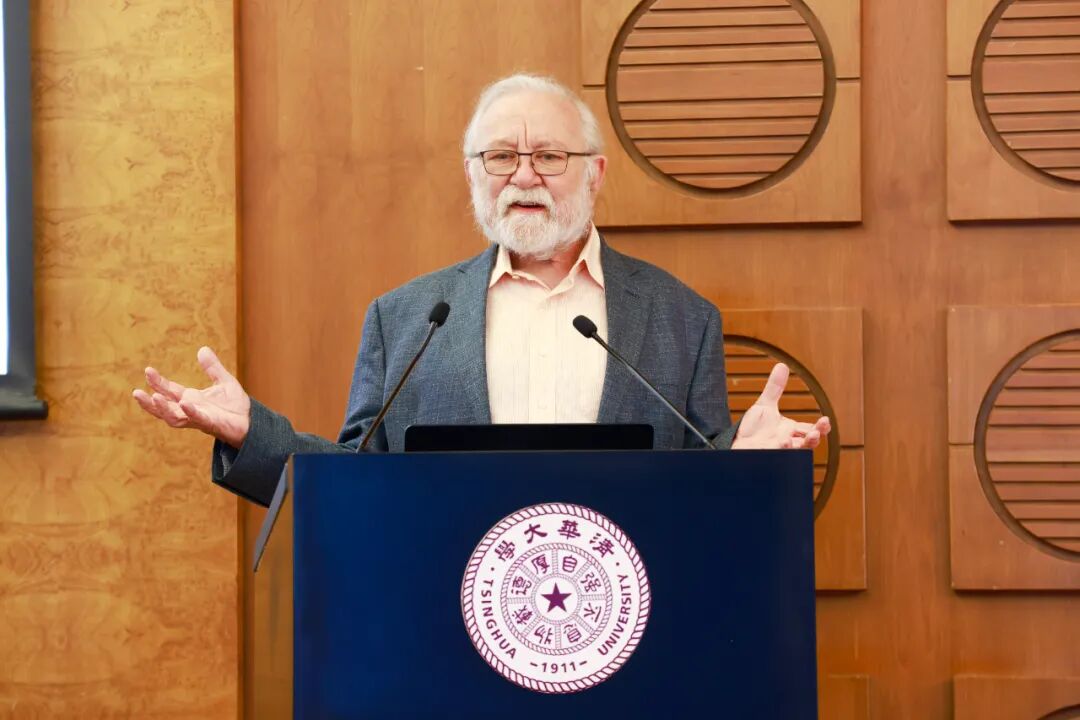
Peter Walter delivers the keynote lecture
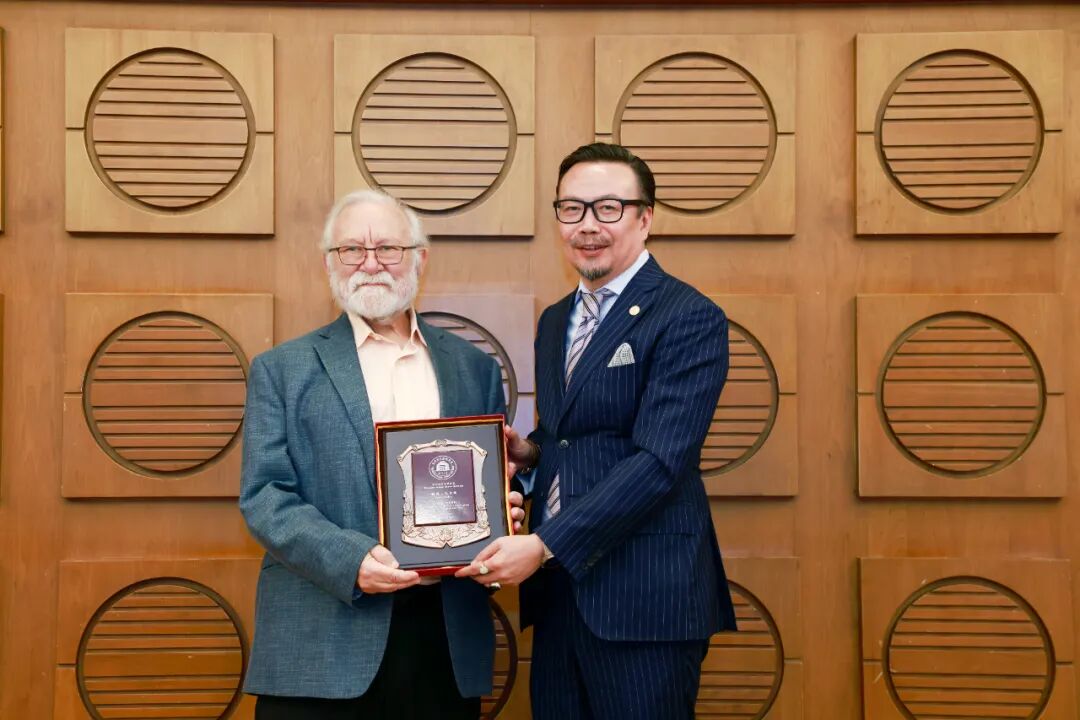
Li Yu presents Peter Walter with a commemorative plaque of the Tsinghua Global Vision Lecture
Starting from the importance of cell health to physiological activity and disease treatment, Professor Walter noted that the Integrated Stress Response (ISR) serves as a central hub of translational control: upon stress, the kinases PERK, PKR, GCN2, and HRI phosphorylate eIF2α, suppressing global protein synthesis while activating stress-response programs such as ATF4. Drawing on examples, he explained that inhibiting IRE1 holds promise for cancer therapy, and that eIF2α phosphorylation is closely linked to cognitive function—the Integrated Stress Response Inhibitor (ISRIB) can improve long-term memory in a mouse model of Down syndrome and enhance spatial learning in normal mice. On the clinical front, ISRIB analogs Fosigotifator and DNL-343 have entered clinical trials and hold promise for treating white matter diseases such as vanishing white matter disease (VWMD), with Fosigotifator having been granted Breakthrough Therapy Designation by the U.S. Food and Drug Administration (FDA).
Professor Walter also traced his laboratory’s journey of screening for ISRIB based on the structure of eIF2B. Cryo-EM structures revealed that ISRIB acts as a “molecular staple” bridging eIF2B tetramers, stabilizing the active decameric conformation and allosterically counteracting the inhibition imposed by phosphorylated eIF2, with its effects preferentially manifested under stress conditions. Finally, he looked ahead to key questions for ISR-targeted therapies, including selectivity, patient stratification, and long-term safety, suggesting that the eIF2B activation strategy provides a translational pathway with clear molecular logic for white matter diseases and cognitive disorders.
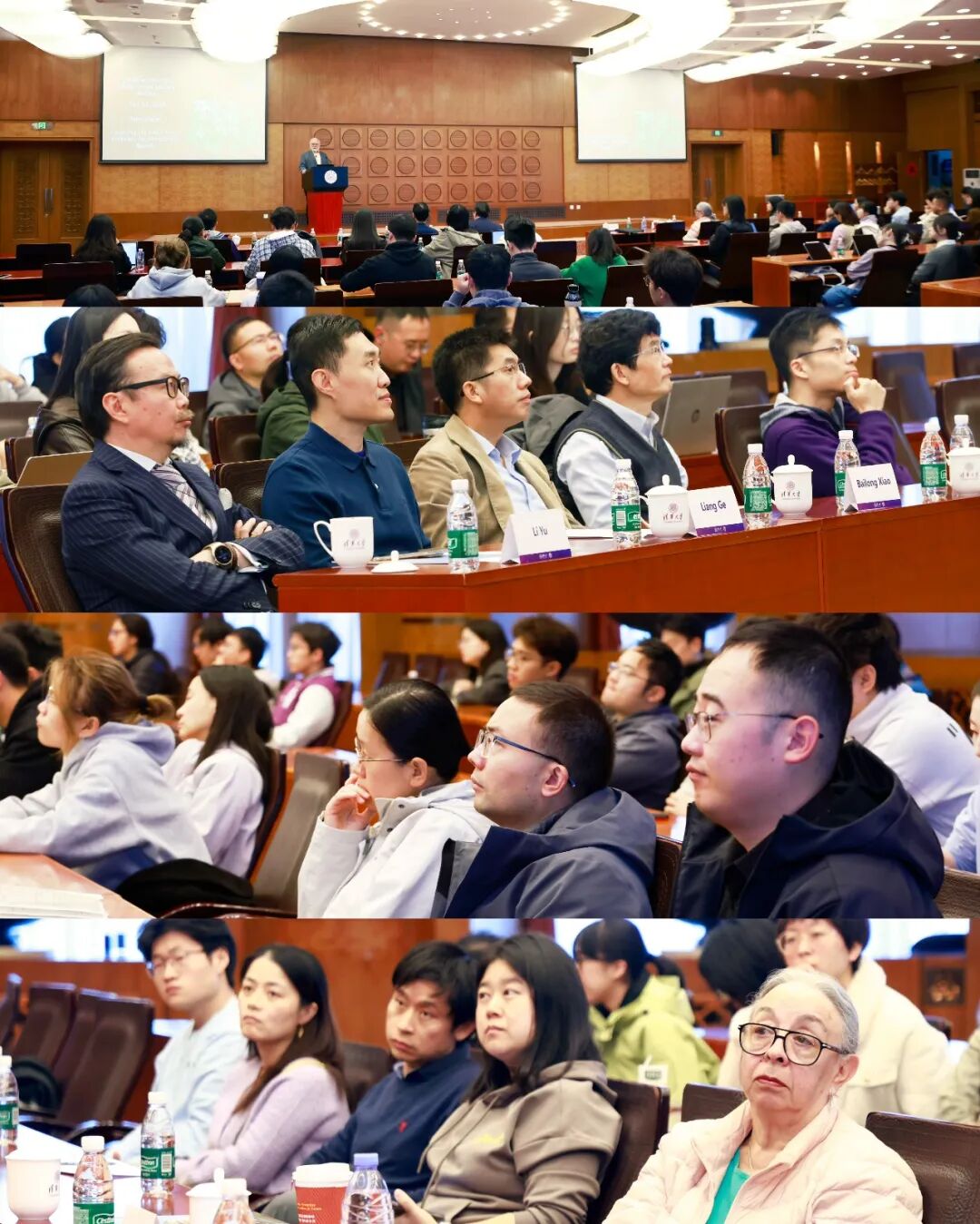
Scenes from the event
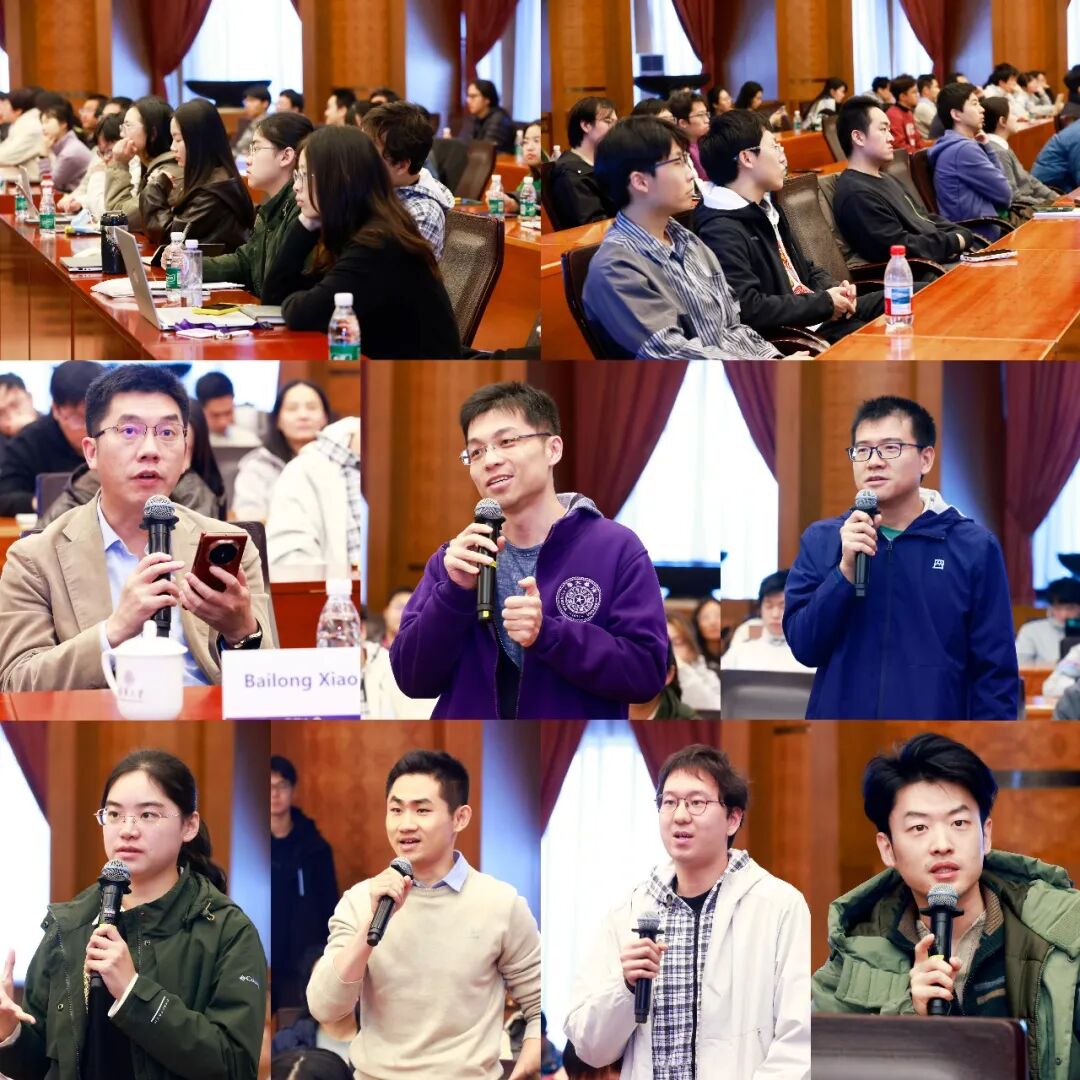
Q&A session
The lecture was hosted by Liang Ge, Associate Professor from the School of Life Sciences. The event was co-organized by the Office of International Affairs, the School of Life Sciences, and the State Key Laboratory of Membrane Biology at Tsinghua University. Nearly 100 faculty members and students from Tsinghua’s School of Life Sciences, School of Basic Medical Sciences, School of Pharmaceutical Sciences, Department of Chemical Engineering, and Zhili College, as well as from Peking University and Changping Laboratory, attended the lecture onsite.
The Tsinghua Global Vision Lecture Series draws on the University’s high-end international exchange resources and is open to all faculty and students. As a high-level, frontier-oriented, and serial lecture program delivered by distinguished overseas speakers, it has held 278 lectures since its inception in 2007, comprising two main series: “Global Leadership” and “Cutting-Edge Science & Technology.” Its speakers include Nobel Laureates, renowned scholars, foreign dignitaries, leading university presidents, and senior executives from multinational corporations.
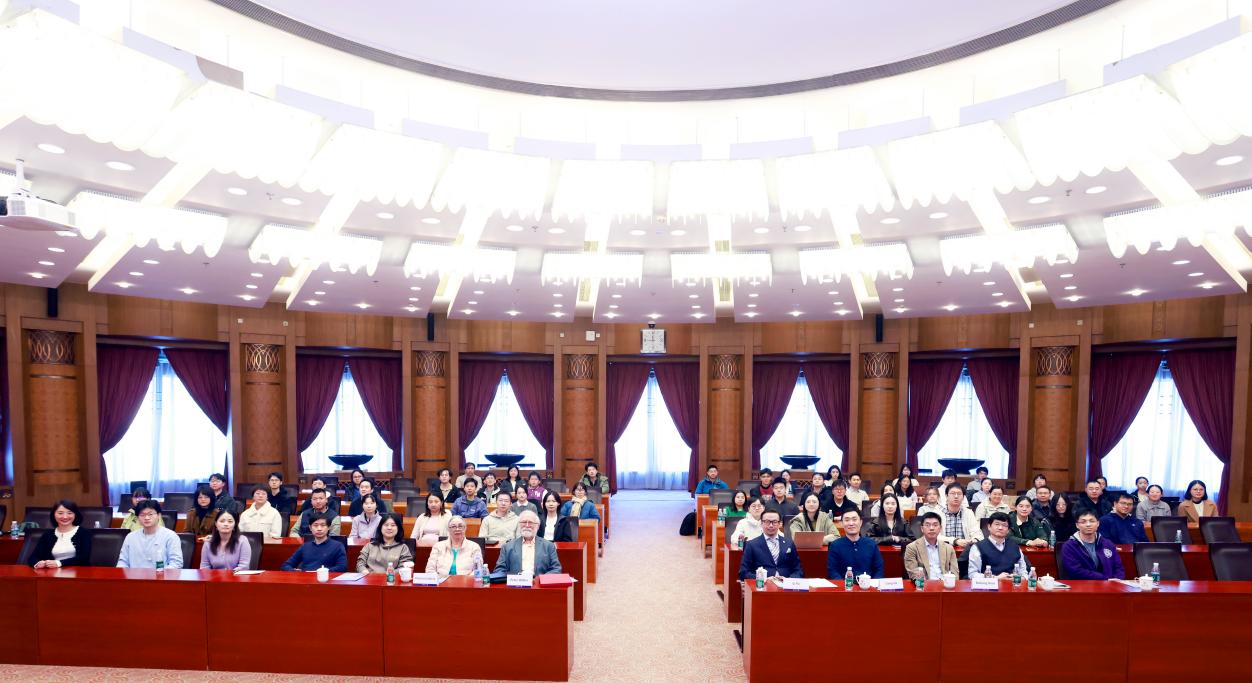
Group photo
